
Value Chain Carbon
Reduction and Removal
Programme
Strengthening Climate Action Across Our Upstream Value Chain
Wang-Zheng Berhad (“WZB”) recognises that meaningful climate action extends beyond our own operations and requires collaboration across our value chain. As part of our ongoing efforts to strengthen responsible supply chain management and support the transition towards a lower-carbon economy, WZB has initiated an invitation to all of its upstream vendors to participate in the ESG Solutions Value Chain Carbon Reduction and Removal Programme.
01
Programme Overview
The programme is being implemented in collaboration with ESG Solutions Sdn. Bhd. and is designed to increase supplier awareness of greenhouse gas (“GHG”) emissions, build capabilities in identifying practical decarbonisation opportunities and progressively assess potential carbon reduction and removal projects within WZB’s upstream value chain.
In collaboration with ESG Solutions Sdn. Bhd.
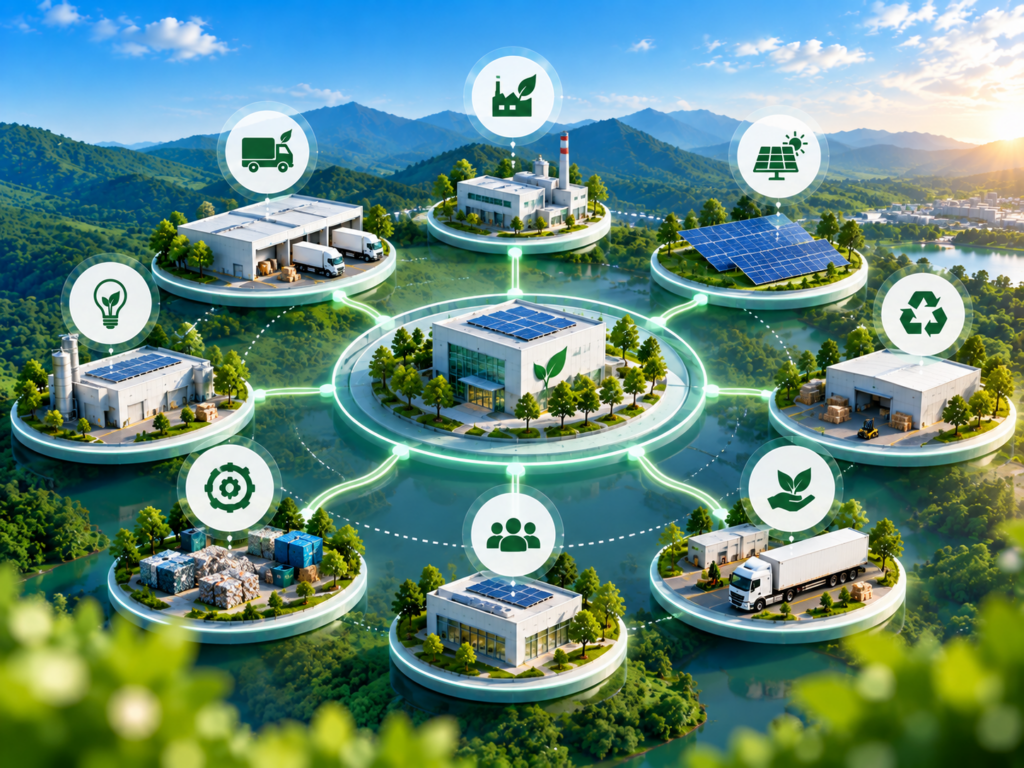
Working together to build supplier awareness, strengthen capabilities and identify practical decarbonisation opportunities across our upstream value chain
02
Supplier Engagement and Capacity Building
Under the programme, 100% of WZB’s identified upstream vendors have been invited to participate in a dedicated Value Chain Carbon Reduction and Removal workshop conducted by ESG Solutions.
The workshop is intended to strengthen suppliers’ understanding of climate-related matters and provide practical guidance on identifying potential emission reduction and removal opportunities relevant to their respective operations.
Topics covered through the programme include:
- GHG emissions and value-chain decarbonisation
- Energy and resource efficiency
- Renewable energy
- Fuel and feedstock switching
- Waste and wastewater management
- Circular-economy opportunities
- Low-carbon transportation and logistics
- Eligible carbon-removal activities where applicable
The engagement also introduces suppliers to the data and evidence generally required to assess a potential project, including project boundaries, baseline conditions, activity data, monitoring requirements and implementation readiness.
03
From Awareness
to Project Assessment
Following the workshop, participating upstream vendors will be provided with an opportunity to undertake a structured preliminary project assessment through the ESG Solutions Carbon Credit Accelerator.
The assessment is intended to identify and prioritise potential projects that may:

Potential opportunities identified through the assessment will be screened according to factors including project type, baseline, project boundary, implementation status, data availability, potential GHG impact, monitoring readiness and, where relevant, compatibility with recognised carbon project methodologies.
Where an opportunity demonstrates sufficient potential, WZB and the relevant supplier may consider progressing the project to more detailed feasibility assessment, implementation planning or carbon project development.
04
Supporting WZB's Value Chain Decarbonisation Journey
Through this programme, WZB aims to move beyond conventional supplier engagement by creating a structured platform through which upstream vendors can participate in the Group’s longer-term climate transition.
The programme is intended to progressively provide WZB with greater visibility over environmental and climate-related opportunities across its upstream supply chain and support the development of a pipeline of supplier-led carbon reduction and removal initiatives.
Looking Towards 2030
Looking towards 2030, WZB intends to progressively monitor the programme through indicators such as the proportion of upstream vendors invited and participating, number of suppliers completing preliminary assessments, number and categories of potential reduction and removal projects identified, and estimated GHG reduction or removal potential where sufficient information is available.
Where reliable data can be established, WZB also intends to evaluate how identified supplier initiatives may contribute towards the management and potential future reduction of the Group's relevant Scope 3 value-chain emissions.